
Matterhome
Matterport's 3D-scanning technology was built for commercial real estate. We designed the consumer service around it — furnish or remodel a home from one scan, with AI suggestions or a matched interior designer.
3
Personas: DIY renter, remodeling owner, interior designer
AR
AI-generated furnishing suggestions, viewed in AR
$262B
US home-improvement spend, 2019
$15/mo
Interior-designer subscription price
Matterport's 3D-scanning technology was built for commercial real estate, not for the person moving into a rental or remodeling a house. The deck's own framing for the project — 'Consumerization of Home' — treats that as a service design problem, not a UI problem: what a homeowner or renter actually wants from a scan of their own space, who's willing to pay for a human on top of it, and how the business model works for both.
My Role
Team of three, all Georgia Tech Master's of Industrial Design: Dahee (Sophie) Kim, Liz Kelly, and Rob Stout. Research, persona development, journey mapping, app flow design, business model design, design system, brand identity. Matterport-sponsored academic project.
Concept Exploration
Six ideas, one that fit Matterport
Before landing on the home space, the project weighed nine directions for consumerizing Matterport's scanning technology — from yacht chartering and car sales walkthroughs to insurance documentation and online shopping — developed four of them as concept cards, and narrowed to Remote Interior Design as the strongest fit.
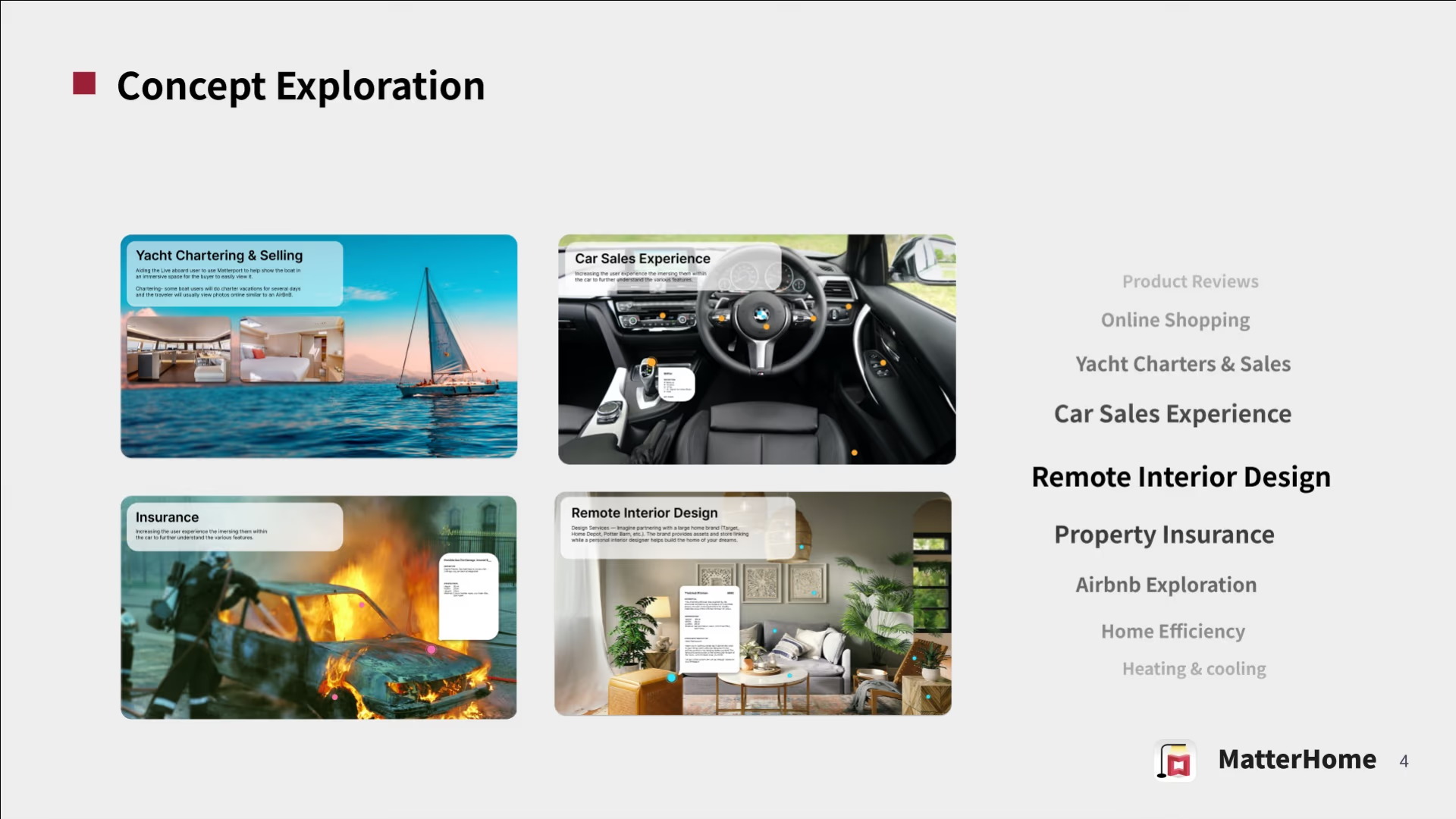
The weighted shortlist — Remote Interior Design was the concept that stuck.
Personas
A DIY renter and a professional homeowner want opposite things
Steve Wozowski is a renter moving for a new job, budget $2.5K–$5K, low on the persona's handiness slider — 'a designer sounds nice, but I think this is temporary, so I'd rather save money and do it myself.' Delilah Donahue is a homeowner with a $35K–$45K remodel budget who wants a human — 'someone who understands my tastes, makes great recommendations, and moves the project forward.'
Those two answers point at two different services off the same scan: Steve's path stays inside the app with AI-generated suggestions. Delilah's path matches her with a real interior designer, Anna Kensington.
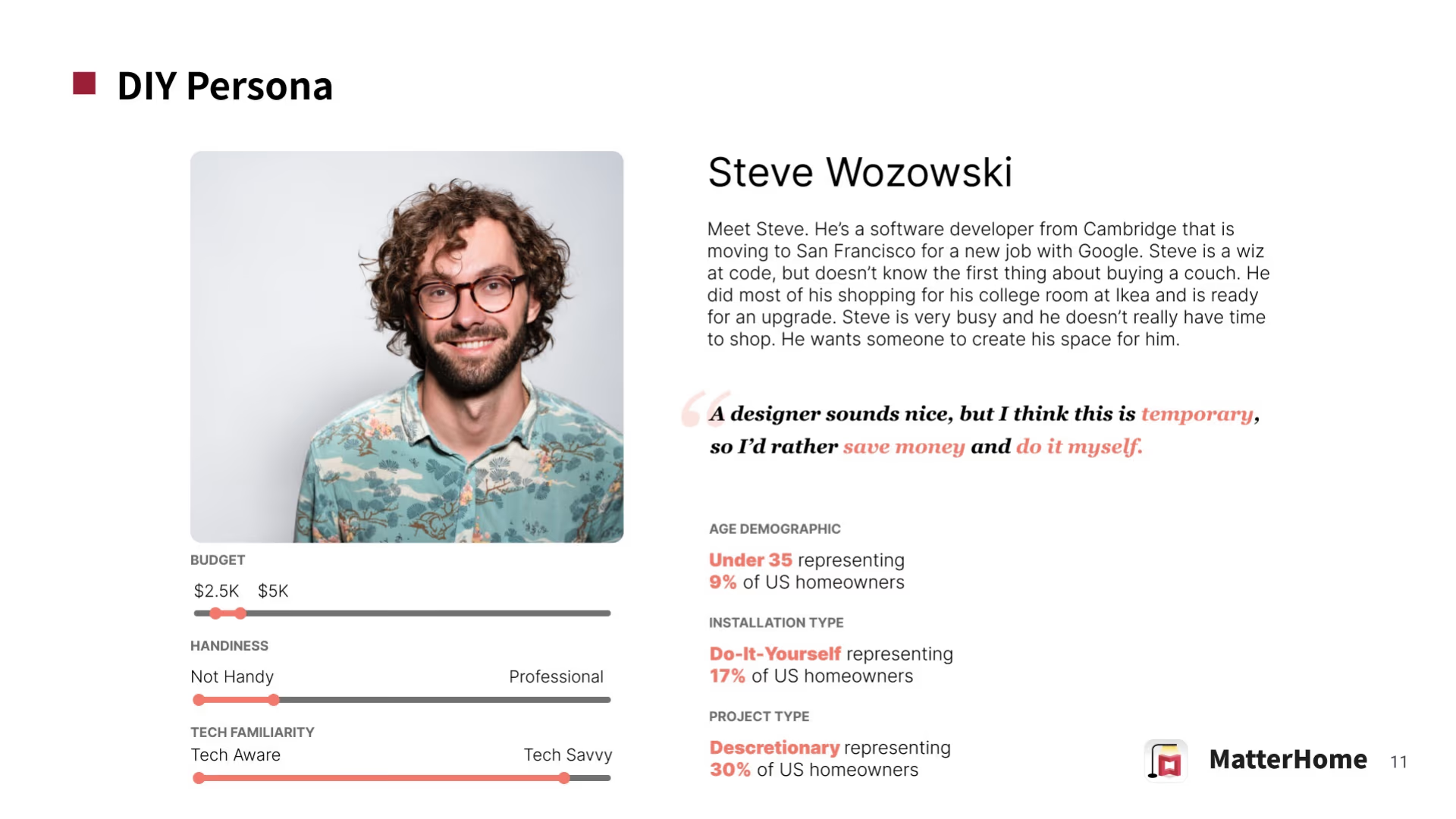
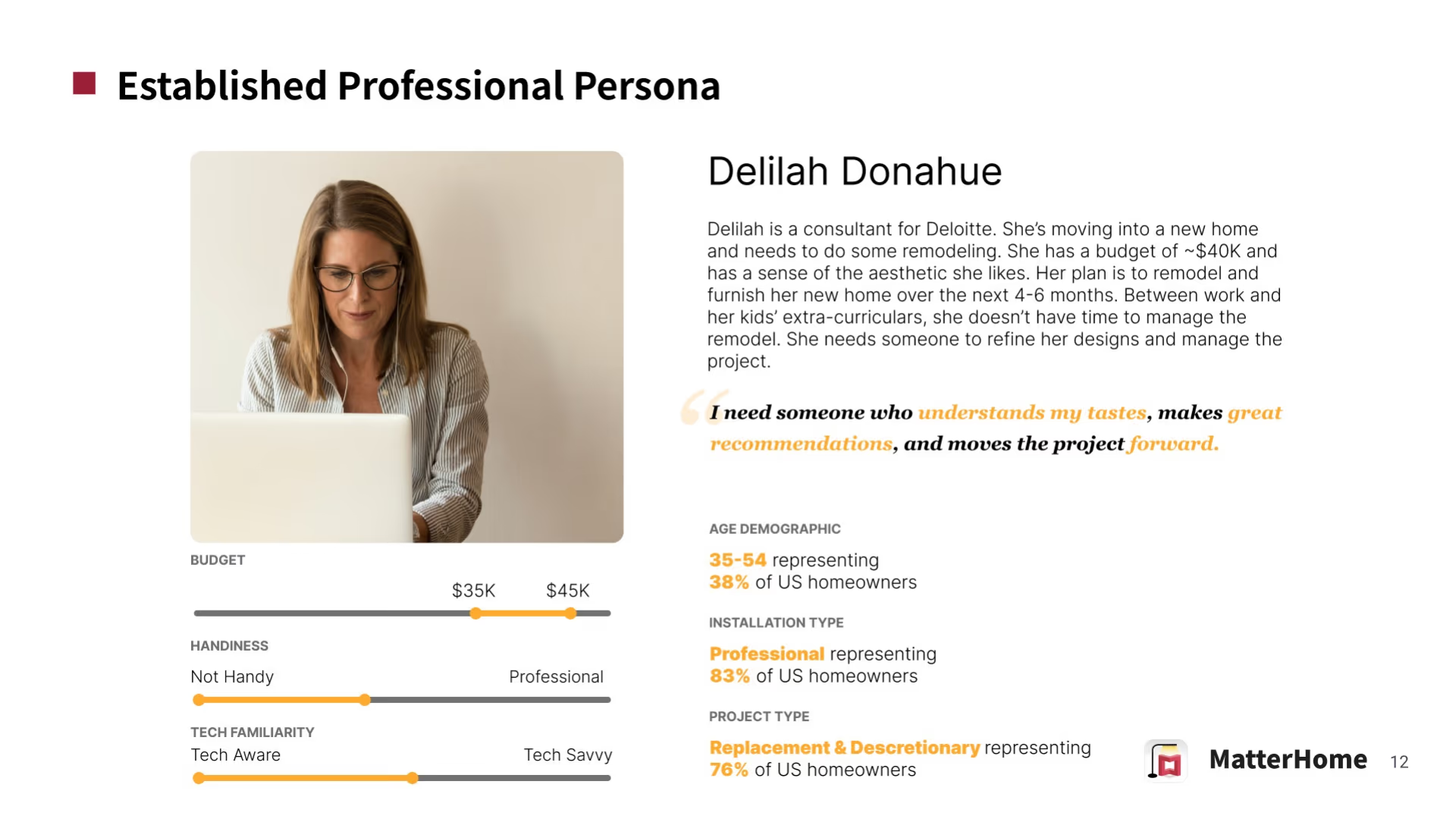
Same scan, two services: self-serve AI for Steve, a matched interior designer for Delilah.
Journey Map
The to-be journey, mapped end to end
The to-be journey map traces seven steps — exploring design options, generating furnishing ideas, viewing choices in the space, selecting, purchasing, setup/installation, and evaluation — each paired with the user's thinking and feeling, and the exact point where Matterport's scanning technology shows up.
It's a journey map, not a formal service blueprint: it tracks the renter or homeowner's experience step by step, rather than mapping front-stage interactions against back-stage operations in separate lanes.
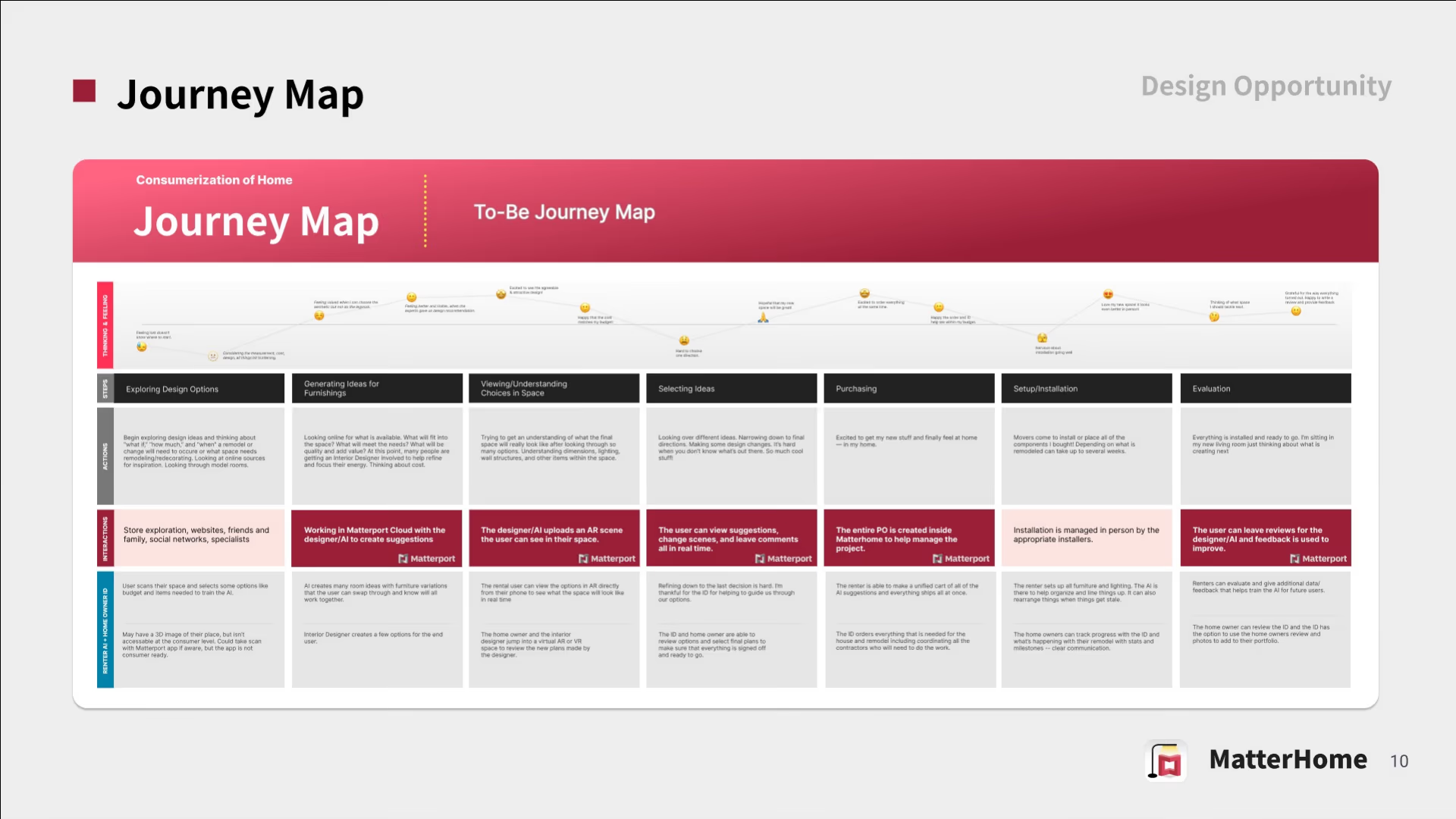
The Flow
Scan, train the AI, get AR suggestions, buy
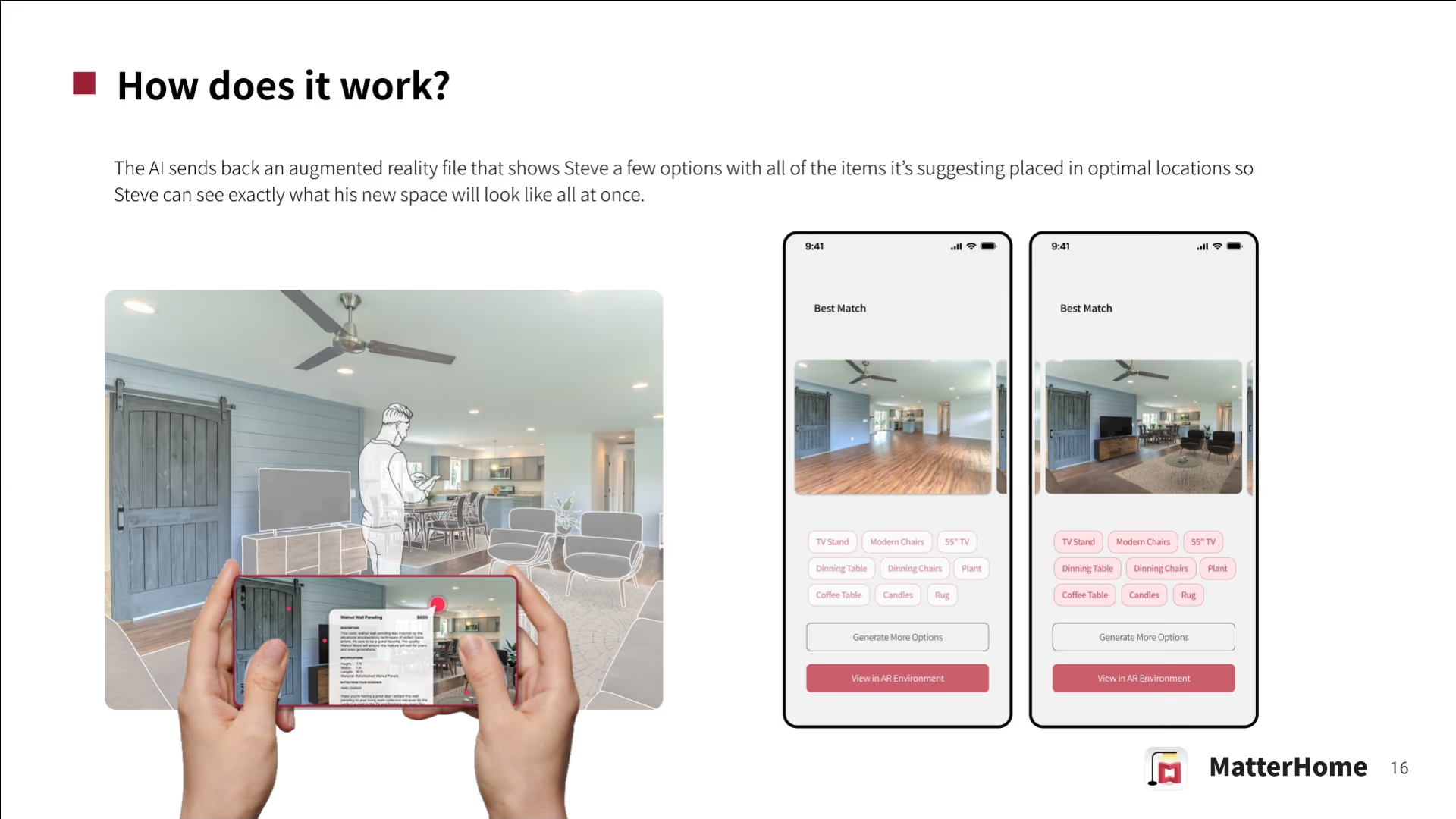
Steve's path: scan the room with the Matterhome app to build a digital twin, enter a budget and style preferences, and the AI returns furnished AR options he can swap between before buying — Matterhome takes an affiliate cut at checkout.
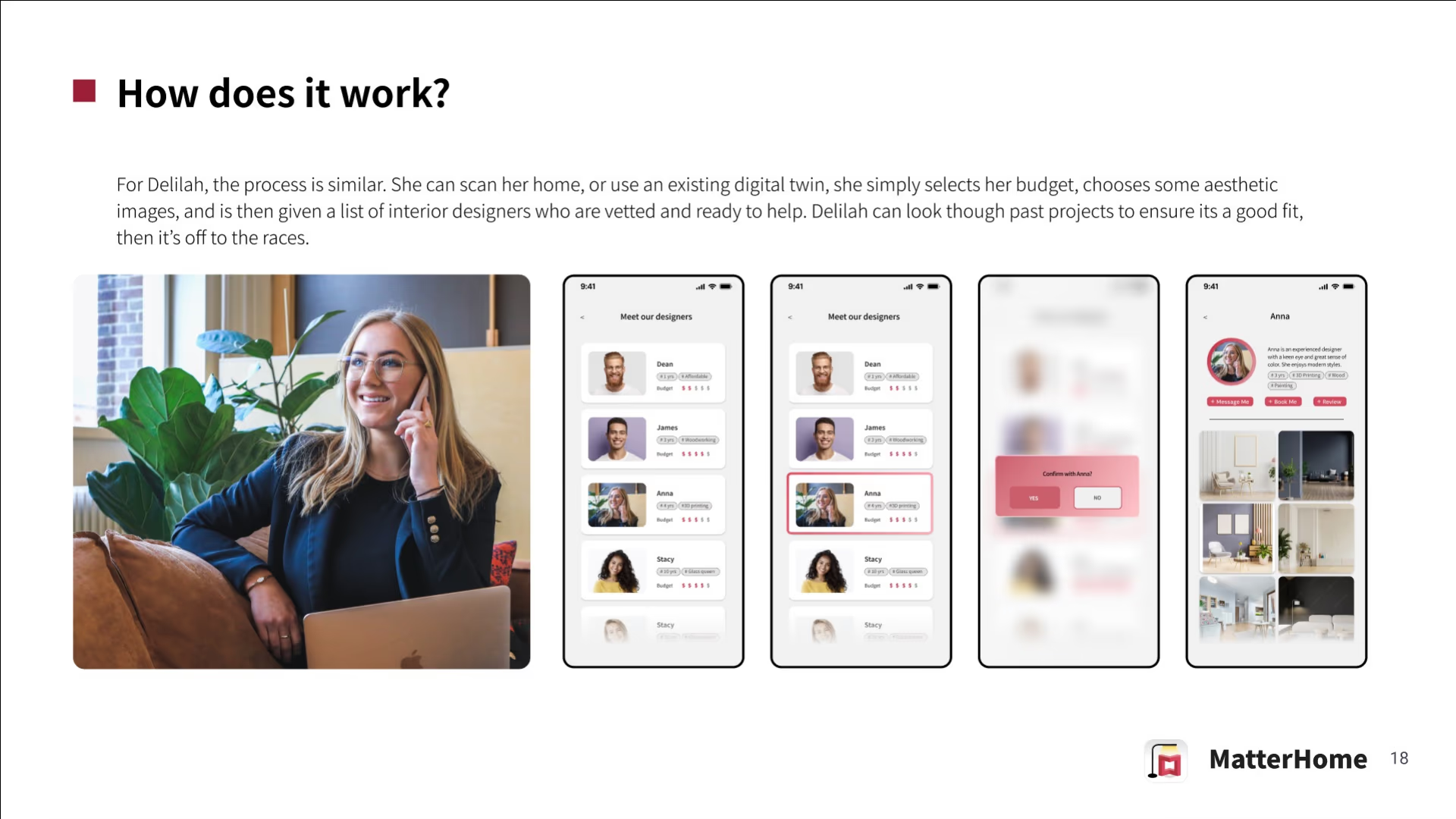
Delilah's path uses the same scan, but instead of an AI-only result she's shown a shortlist of vetted interior designers — with experience, specialty, and budget tags — and picks one to take over the project.
Business Model
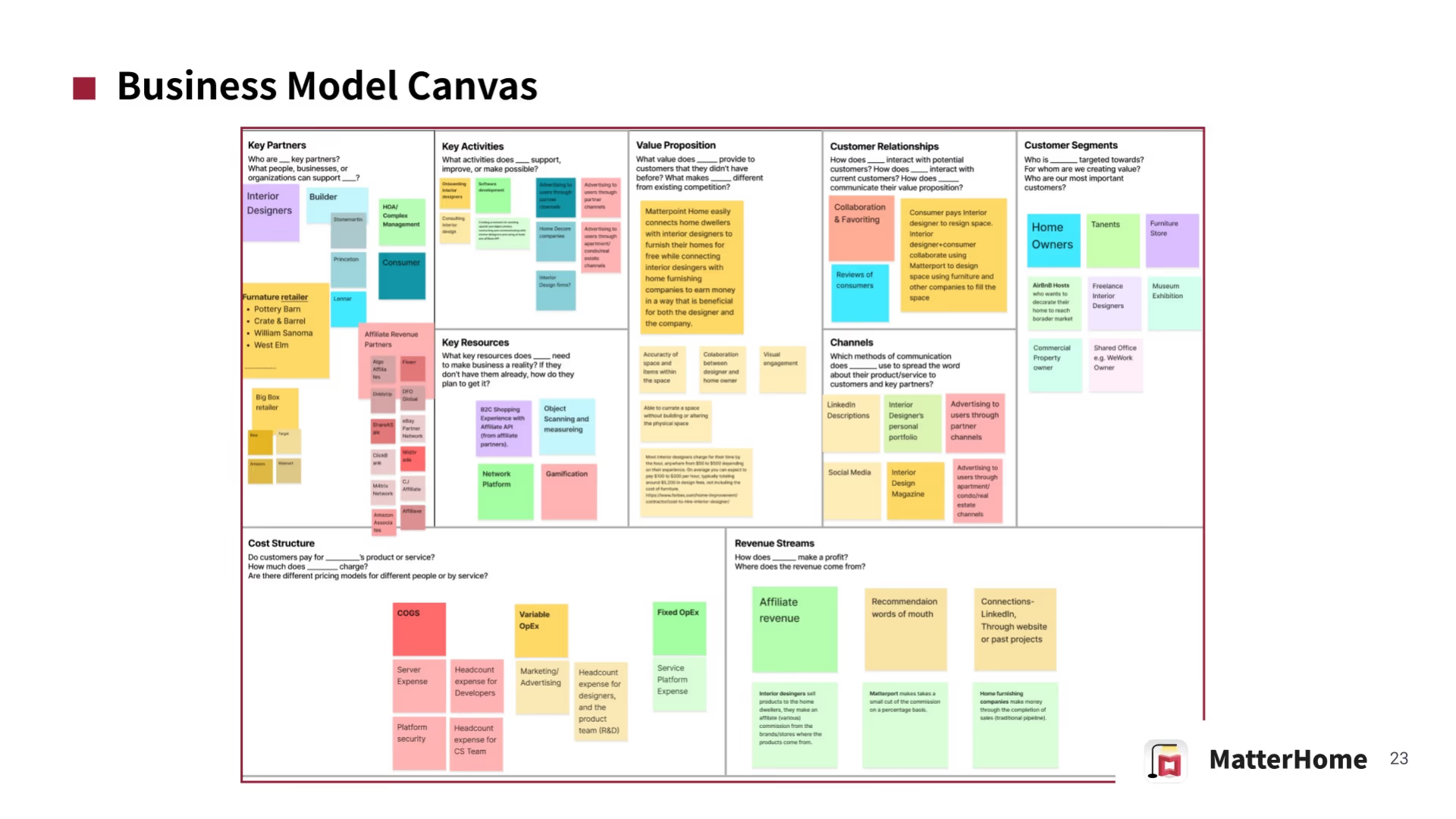
A business-model exercise, not just a UI exercise
The deliverable included a full business model canvas — key partners (interior designers, builders, furniture retailers), cost structure, and revenue streams — built alongside the app design, because a scanning tool built for professionals doesn't become a consumer product just by simplifying its interface.
The revenue model splits by user: affiliate commerce for renters (high volume, lower revenue per user) and owners (lower volume, higher revenue per user), and a $15/month freemium subscription for interior designers who want AI access, the design tool, and a vetted contractor list.
The market case
$262B in US home-improvement spend in 2019, with 83% of remodels using a paid professional — the market the interior-designer matching path was built for.
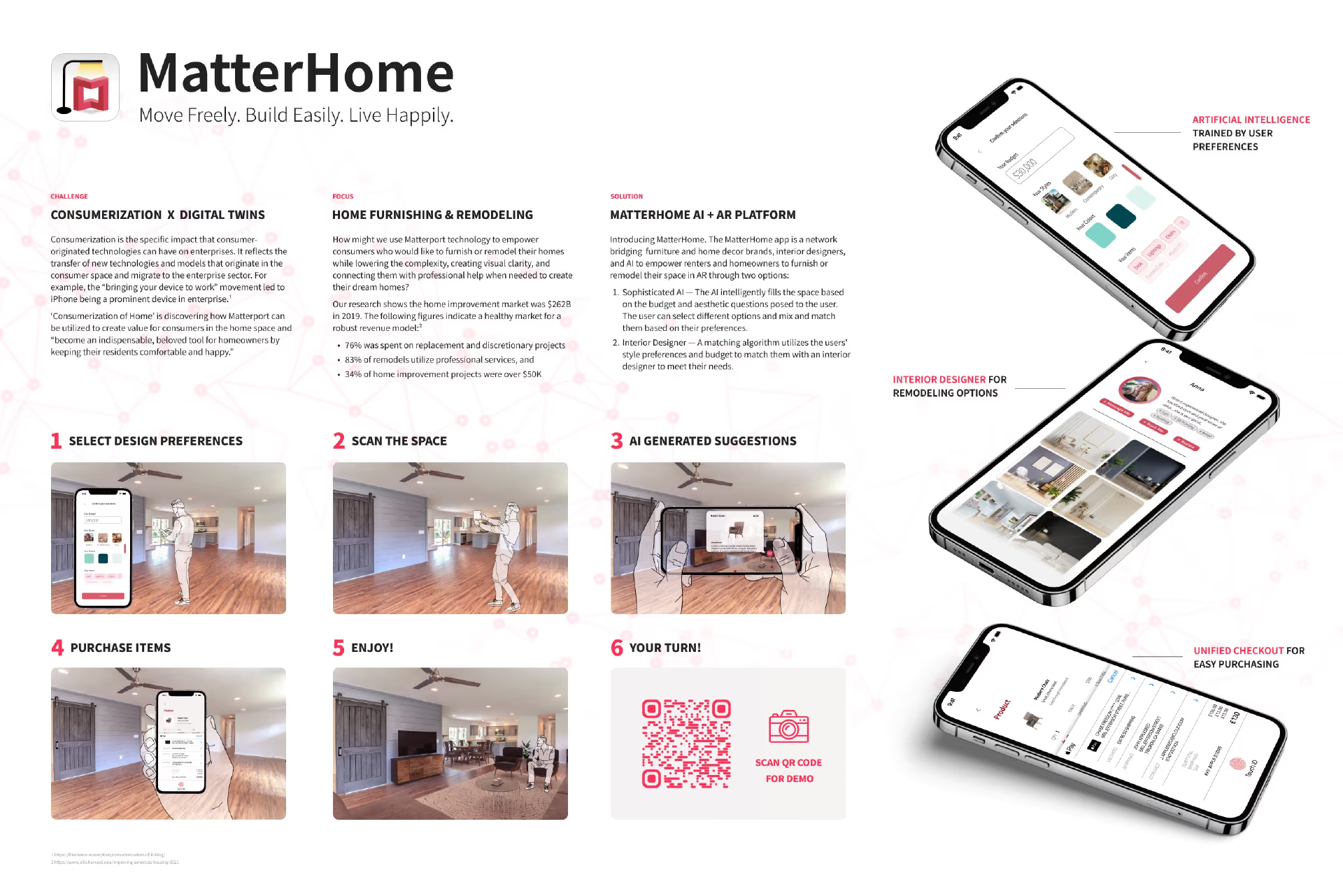
The whole project on one poster: one scan, two paths — AI suggestions or a matched designer.
Process Book
The full 35-page deck
Dahee (Sophie) Kim, Liz Kelly, and I built this over a semester on a brief from Matterport. All three of us were in the Master's of Industrial Design program at Georgia Tech, and we worked the whole thing as one team rather than splitting it into parts.
Everything we did is below: the objective, the concepts we considered, the ecosystem and market research, our interview plan, the personas and journey map, the app flow and design system, the prototypes, and the business model behind it.
The pages below are rendered at reading size. For the dense tables and citations, open the PDF — it zooms.
Open the full PDF →Process
Interview plan, hypotheses, and three personas — DIY renter, remodeling owner, interior designer.
Narrowed nine directions to one: Matterport scanning, reframed for home furnishing and remodeling.
App flow: scan → set preferences → AI-generated AR suggestions → purchase (or match to a designer). Design system + brand.
Business model canvas, revenue model, and go-to-market strategy — not just the screens.
What Shipped
3
Personas
7
Journey-map steps
2
Service paths from one scan
A service design for Matterhome — consumerizing Matterport's professional 3D-scanning technology for renters and homeowners furnishing or remodeling a space. Three personas, a to-be journey map, a core app flow (scan → preferences → AI-generated AR suggestions → purchase) with a parallel path matching homeowners to interior designers, a full business model canvas, and a brand identity — 'Move Freely. Build Easily. Live Happily.' Matterport-sponsored academic project.
- Three personas built from user-interview goals and hypotheses: a DIY renter (Steve), a remodeling homeowner (Delilah), and an interior designer (Anna)
- A to-be journey map spanning seven steps, from exploring design options to post-installation evaluation
- A core app flow — scan, set preferences, AI-generated AR suggestions, purchase — with a second path that matches homeowners to a vetted interior designer
- A full business model: business model canvas, a two-sided affiliate revenue model plus a $15/month interior-designer subscription, and a go-to-market plan
What I Learned
The deck's most useful decision was building the business model canvas and revenue model in parallel with the app design, not after it. AI-furnished AR suggestions don't answer how Matterhome makes money, or why a furniture brand would want to be listed — those are the questions the business model canvas and revenue model answer: affiliate commission routed through a partner network (Home Depot, Wayfair, Pottery Barn, Crate & Barrel), a two-sided revenue split between high-volume renters and higher-value owners, and a $15/month freemium tier giving interior designers AI access, design tools, and a vetted local contractor list. The persona work made the same point from the user side: Steve and Delilah don't want the same thing, so the service needed two real paths — AI-only for Steve, a human designer match for Delilah — off one shared scan, instead of one flow trying to serve both.
What this demonstrates
More Work
All projects →